
우리가 만드는 모든 것은 기억과 관련되어 있다. 우리는 늘 새로운 것을 꿈꾼다. 건축가라면 세상에서 본 적 없는 유일한 어떤 것을 만들기를 갈망한다. 하지만 완벽한 새로움이란 있기 어렵다. 우리가 만들고 디자인하는 모든 것들은 이미 세상에 존재할 확률이 높고, 우리가 사용하는 색채나 질감 등은 이미 자연 속에 모두 있다. 자연 속에 존재하는 모든 색채를 인간이 완벽히 표현할 수도 없다. 디자인은 결국 자연과 환경에 영향을 받는다. 완벽한 창조를 위해 노력하는 것도 중요하지만 완벽할 수는 없다는 점을 인정하고 자연에 대한 겸손한 마음도 가져야 한다.
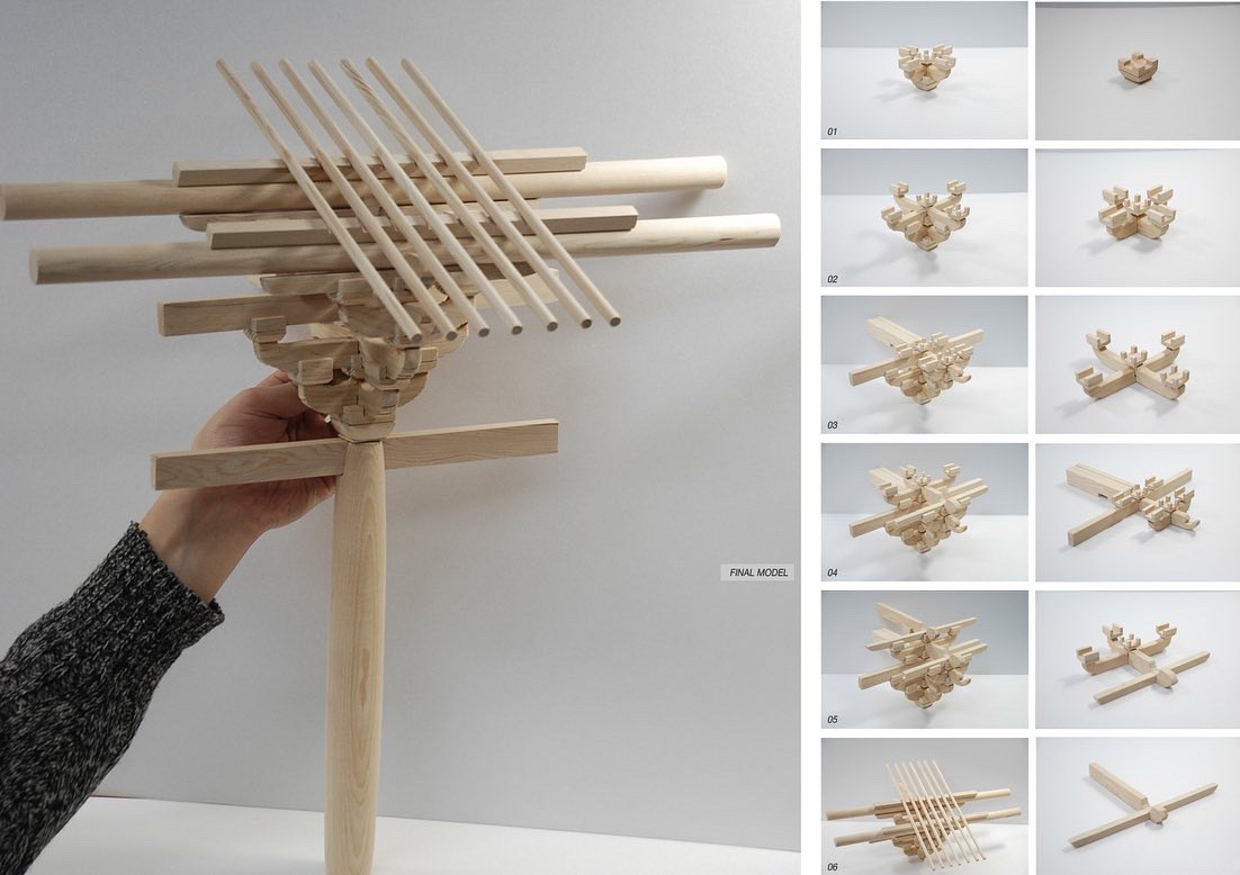
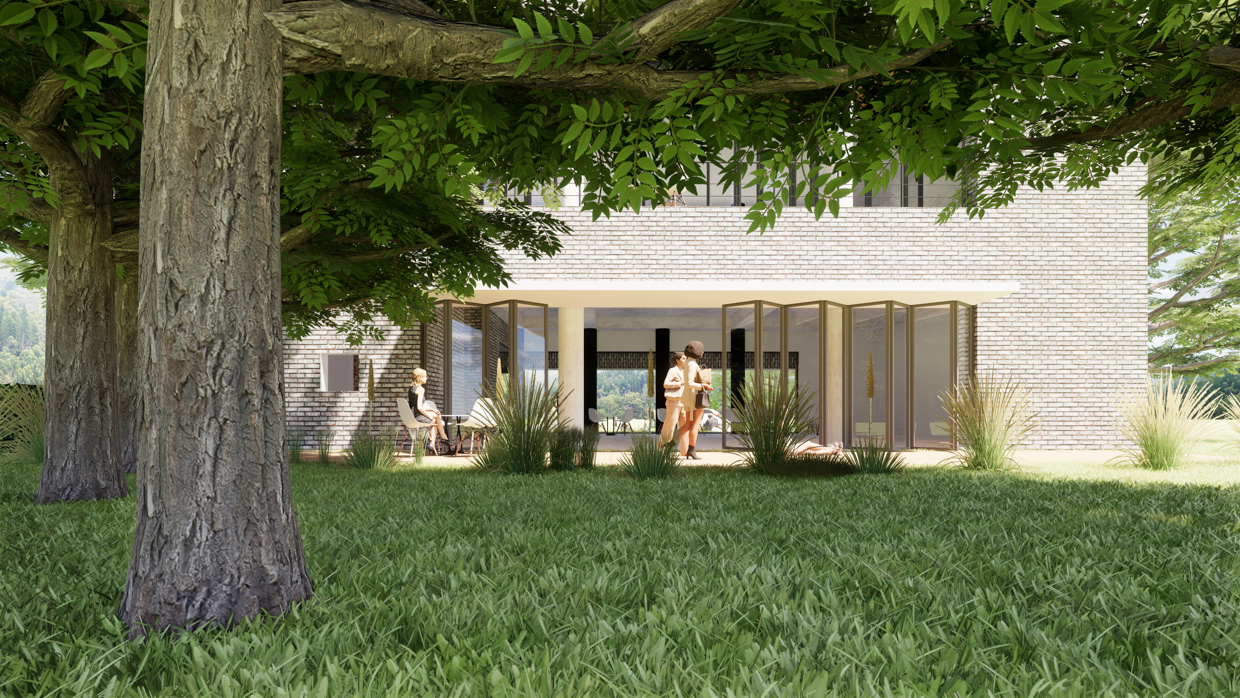
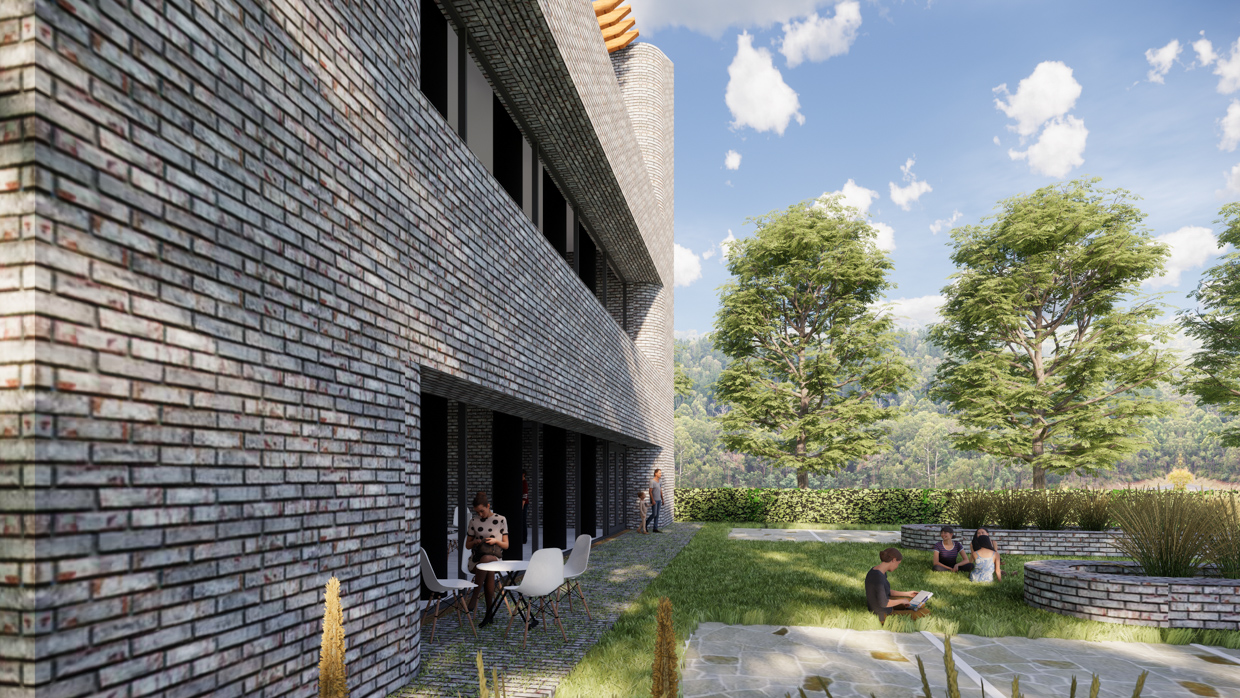
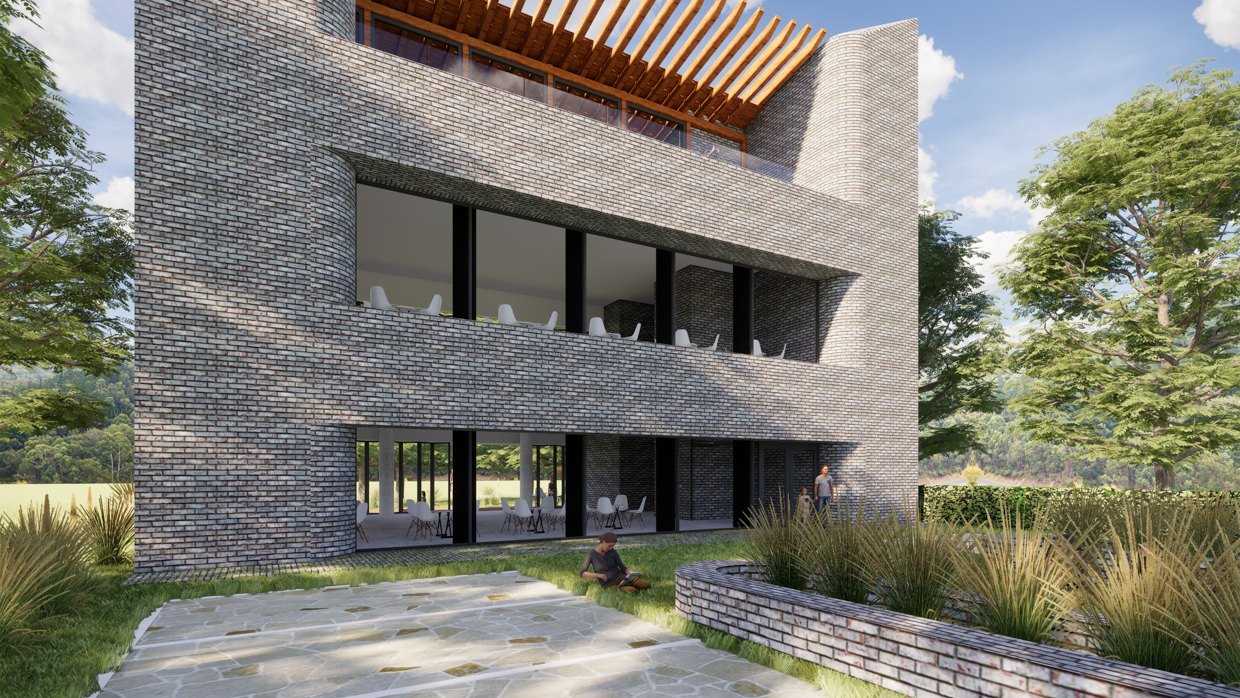
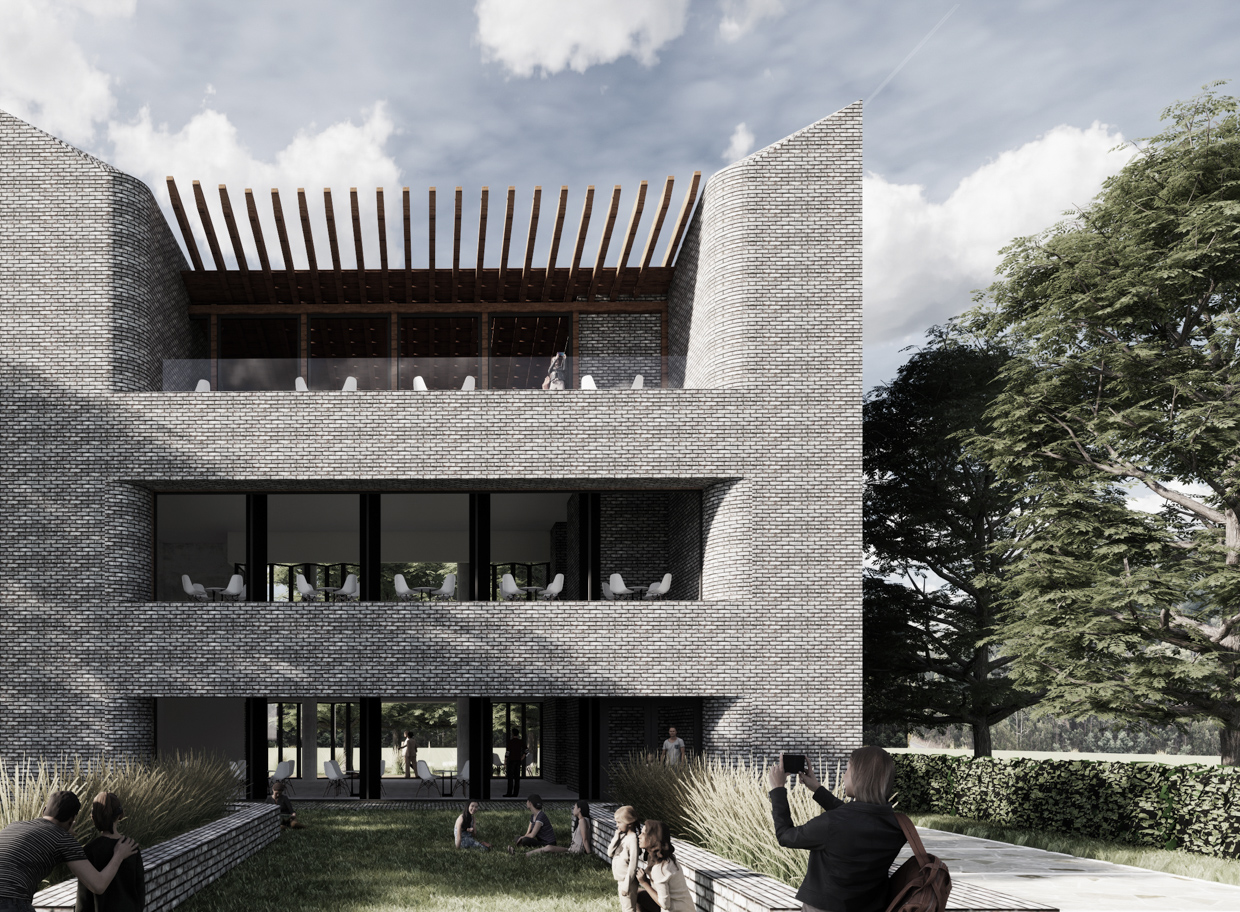
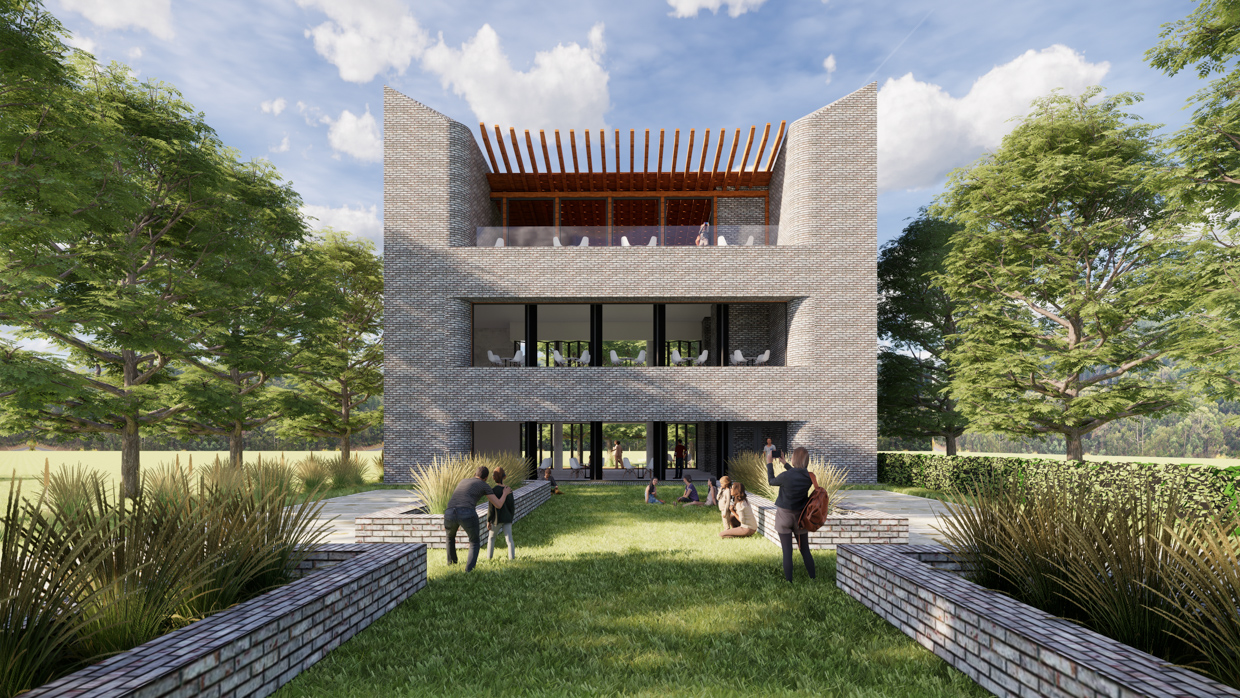
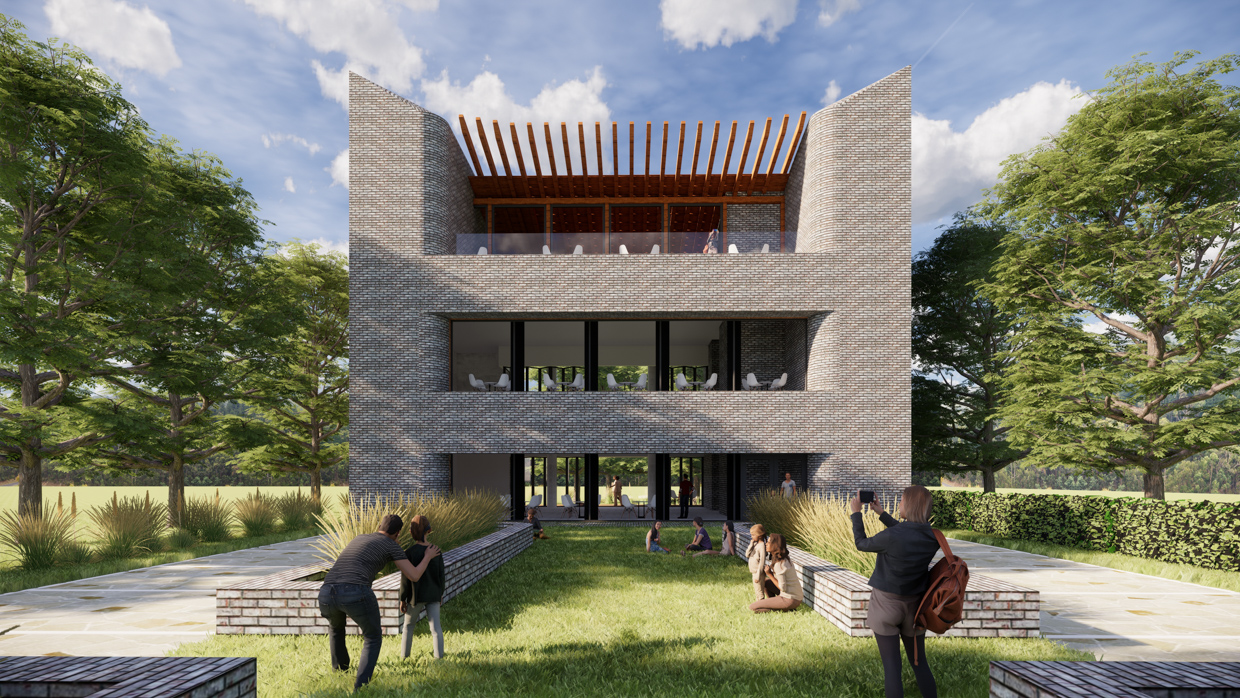
내가 디자인할 때 주로 관심을 가지는 것은 “새롭게 보기”이다. 도시에서, 주변 일상에서 자주 보는 흔한 것들을 새로운 시각으로 보는 것을 말한다. 대상이 바뀌는 게 아니라 바라보는 주체의 환경과 시각이 바뀜을 의미한다. 어떤 사물을 뒤집어 본다든지, 원래 있어야 할 곳이 아닌 전혀 다른 곳에 둔다든지. 하는 방식 말이다. 우리가 만드는 모든 것은 기억과 관련되어 있고 결국 본 것, 읽은 것, 느낀 것 들의 총체가 기억이라는 줄기로 묶여 뇌를 통해 복합적으로 사고하여 출력되는 결과물이다. 학창 시절 한국건축사 시간에 만들었던 부석사 무량수전의 서까래와 배흘림 기둥은 늘 마음속에 멋진 건축물로 남아있다. 그 모티브를 건물 위에 올려보았다. 건축주의 요청은 3층 옥상정원을 적극적으로 사용하길 원했고, 목재를 사용하면 좋겠다 정도 였다. 나는 이런저런 고민을 해보다가 한옥의 서까래를 생각해 본다. 건축주는 한국적인 정서를 원하셨기에 벽돌도 시멘트벽돌이 아닌 청고벽돌을 사용하였다. 청고벽돌의 계단실은 서까래와 연속되어 건물의 인상을 더욱 확고히 하고, 가운데 열주처럼 배열된 짙은 기둥은 내 마음속 깊이 남아 있던 배흘림 기둥의 오마주다. 이 모든 것들은 내가 자라며 느끼고 본 것 들의 총체와 프로그램이 요구하는 것들의 합이다.
건축. 그것은 기능의 만족과 예술을 동시에 묶어 표출되는 하나의 집합체일까?
“건축가는 아무것도 창조하지 않는다. 단지 실재를 ‘변형(transform)’할 뿐이다.”
– 알바로 시자 Alvaro Siza
Everything we create is connected to memory. We are always dreaming of something new. As architects, we yearn to create something unique that has never been seen before. Yet perfect novelty is elusive. Most of what we design and build likely already exists in the world, and the colors and textures we use are already present in nature. Humans cannot perfectly replicate all the colors found in nature. Design is, ultimately, influenced by the natural environment. While striving for perfect creation is important, we must also acknowledge that perfection is unattainable and cultivate a humble respect for nature.
When I design, my main focus is on “seeing anew.” This means looking at common objects in the city or everyday surroundings from a fresh perspective. The object itself does not change; rather, the observer’s context and viewpoint shift. For example, one might invert an object or place it somewhere entirely unexpected. Everything we create is linked to memory—ultimately, it is the cumulative result of what we have seen, read, and felt, processed by the brain and expressed in a complex, integrated form. During my school days in Korean architectural history classes, the rafters and entasis columns of Buseoksa Temple’s Muryangsujeon hall left a lasting impression on me as an exemplary piece of architecture. I drew inspiration from these motifs in this project. The client requested that the rooftop garden on the third floor be actively utilized and suggested incorporating wood. Reflecting on this, I thought of the traditional Korean rafter system. Since the client desired a Korean sensibility, we used Cheonggo bricks instead of ordinary cement bricks. The staircase made of Cheonggo bricks continues the rhythm of the rafters, reinforcing the building’s impression, while the dark columns arranged like a central colonnade pay homage to the entasis columns that had long inspired me. All of this is the sum of my experiences, observations, and the programmatic requirements of the project.
Architecture—could it be a single entity that simultaneously satisfies function and expresses art?
“An architect does not create anything. He merely transforms reality.”
– Álvaro Siza